Tables, canopy tents, cash boxes, and crates of unsold produce pile up in a garage or spare room the moment market season winds down, leaving barely enough room to park a car. Vendors juggling weekend stalls rarely have the luxury of a dedicated warehouse, and cramming gear into a home turns into a losing battle fast. Renting storage spaces in Dubai gives market sellers a practical base to keep equipment safe and ready between selling days.
Organized equipment storage
Farmers’ market vendors use a wide range of equipment. Folding tables, tents, baskets, display stands, coolers, signs, crates, and shelving can quickly fill a garage or spare room. A dedicated unit gives these items a clear home. Vendors can group similar supplies together and label each box for quick access.
Protecting seasonal goods
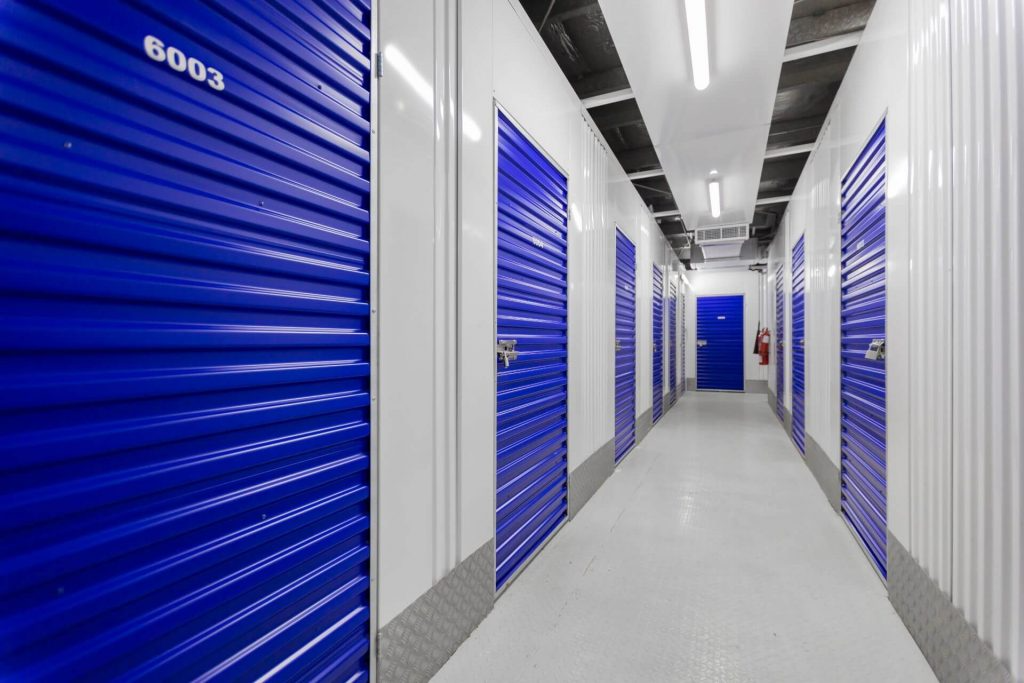
Different products call for different storage conditions. Dry goods, packaging, paper signs, and fabric displays stay best in clean, dry areas. Wooden crates and metal stands also benefit from protection against moisture. Vendors should select an indoor unit when their equipment requires extra shelter from heat, rain, and humidity.
Keeping market displays ready
A farmers market display works best when each item stays in good condition. Stackable bins help protect small tools, price cards, tablecloths, and packaging. Shelving keeps boxes off the floor and gives larger equipment a fixed spot. Clear labels also make setup faster when the next market date arrives.
Making room for seasonal inventory
Some vendors sell products during specific seasons. Harvest baskets, holiday packaging, decorative signs, and specialty containers may sit unused for several months. A storage unit gives these seasonal supplies a separate location. Vendors can reserve home space for daily activities while keeping less-used inventory safely stored nearby.
Choosing a suitable unit
Unit size matters for farmers’ market equipment. A compact unit may suit a small vendor with a single table and limited supplies. Larger vendors may prefer extra floor space for tents, crates, shelving, and multiple display systems. A ground-level unit also makes loading bulky equipment easier.
Simple storage habits
Good storage habits save time at each market. Vendors should clean equipment before placing it inside the unit, use sturdy containers, and keep heavier boxes near the floor. An aisle between stored items allows easy access to supplies. A basic inventory list also helps vendors track equipment and spot missing items quickly.