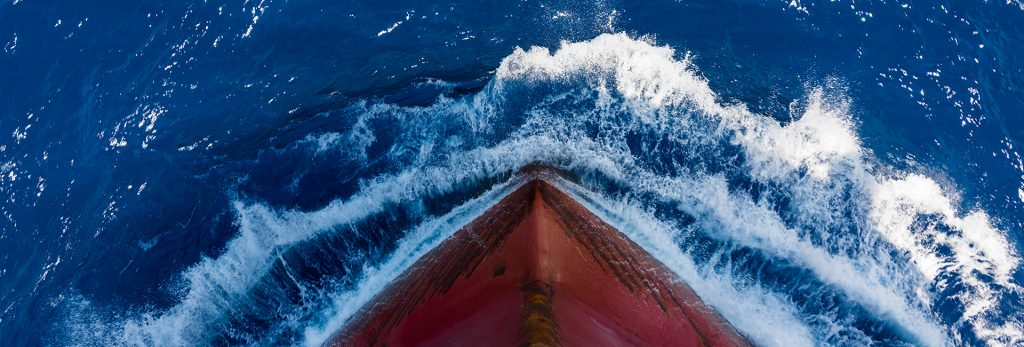
The sea is big, open, and full of promise. For crews on cargo ships, tankers, and yachts, the water is their workplace. But the ocean also holds hidden dangers. Pirates, thieves, and armed groups see these vessels as targets.
A ship far from land cannot call for police. Help is hours or days away. This is why crews want protection while on board. The people who provide this protection come from a special field. They are experts in keeping ships safe and they work for a private maritime security company.
Armed guards on deck:
The most visible service is the team of armed guards. These men and women are former military or police. They know how to handle weapons and watch for threats. When a ship enters high risk water, these guards stand post.
They scan the horizon for fast boats. They carry gear meant to stop attacks before they start. Their presence alone often sends a clear message. Most criminals choose easier targets. Having trained marksmen on deck changes the odds.
Risk assessment and planning:
Before a ship leaves port, a plan is made. Experts study the route ahead. They look at recent crime reports and weather patterns. They decide where the danger is highest. Some areas need extra care during certain months.
The team then writes a security plan. This plan tells the captain when to lock doors, when to post guards, and when to increase speed. Every trip is different. A good plan saves time and lives.
Cyber security at sea:
Ships today run on computers. Navigation, communication, and engines all depend on software. Hackers know this. They try to break into ship systems to steal data or demand money. Security teams now include cyber experts.
They check the ship’s networks for weak spots. They train crews to spot fake emails and strange activity. A small mistake in the office can put a ship in danger. Protecting data is now part of protecting the vessel.
Emergency response drills:
A team that trains well performs well. Security providers run drills with the crew before sailing. They practice what to do if an alarm sounds. Crew members learn where to hide and how to stay quiet. Guards practice moving quickly and communicating under stress.
These drills build muscle memory. When real danger comes, panic is lower. People know their jobs. This training turns a scared crew into a prepared crew.